How much does a new kitchen cost?
Planning a new kitchen is exciting — and it can be expensive. This guide breaks down realistic cost ranges you should expect in the UK, what drives the price, a practical budget split, and money-saving tips.
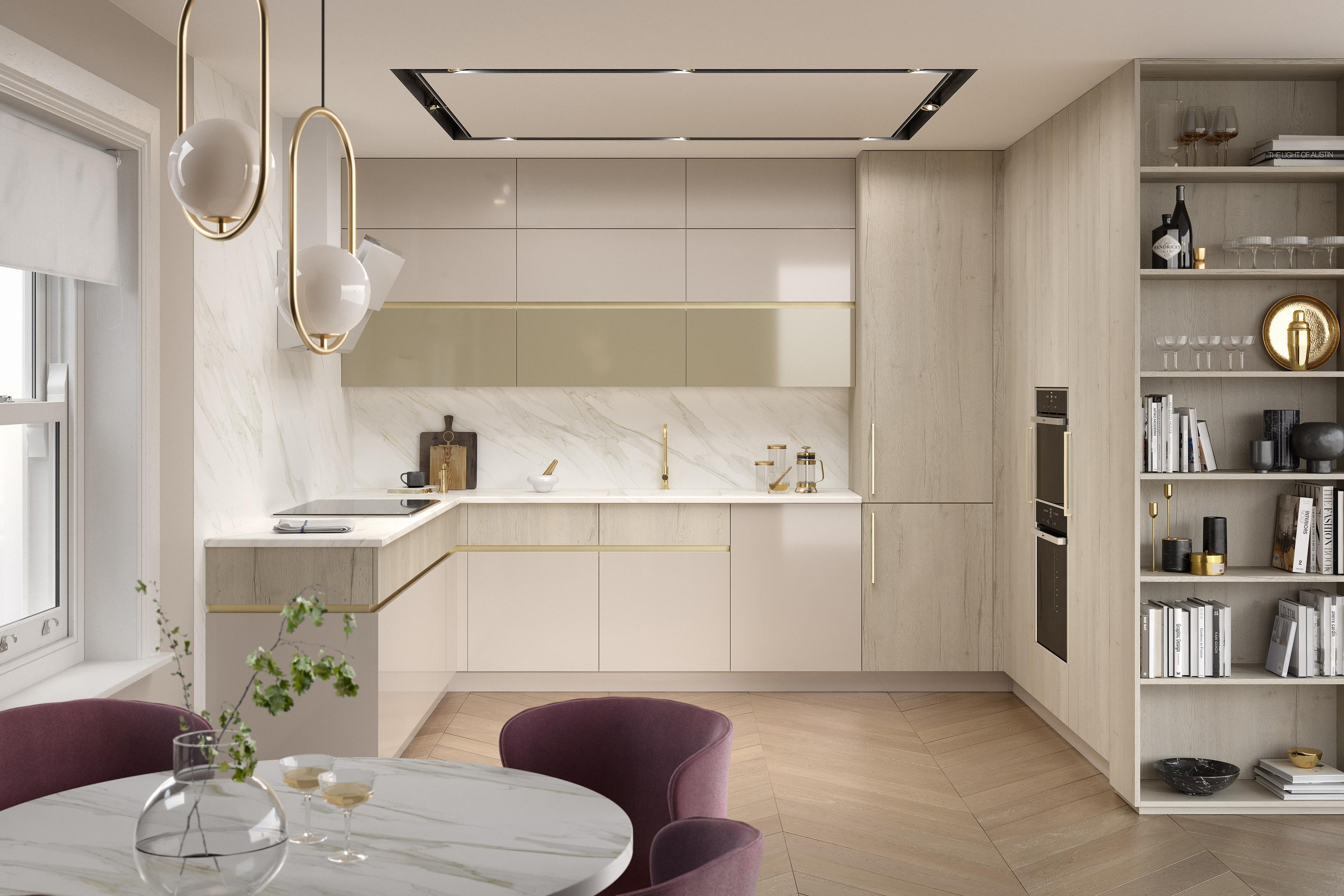
Plan ahead
- Kitchen units / cabinetry: often several thousand pounds — a major share of the budget.
- Worktops: laminate is cheapest; engineered stone like Dekton & Quartz can add thousands. (See your worktop choice closely — it moves budgets quickly.)
- Appliances: budget built-ins can be a few hundred each; good branded integrated appliances commonly add several
- Island: adding an island (services + island units + worktop) is commonly one of the most expensive single items — averages reported in trade surveys are several thousand pounds.
Recent price trends — what to expect in 2024–2025
Costs rose notably through 2023–2024 and into 2025: median kitchen spend increased in surveys, driven by higher material costs and rising demand for higher-spec finishes. If you're planning now, allow contingency for continuing inflation.
Sample budgets — three realistic scenarios
The table below gives worked examples for a typical mid-size kitchen (no extension). You can adjust up or down depending on size and finish.
| Tier | Example budget | Typical allocation | Notes |
|---|---|---|---|
| Budget | £6,000 | Cabinets & doors £2,500 Worktops £800 Appliances £800 Labour £1,200 Flooring/finish £700. | Small kitchens: limited structural work. |
| Mid-range | £15,000 | Cabinets £5,000 Worktops £2,000 Appliances £3,000 Labour & trades £3,500 Misc £500. | Professional design, better worktops and appliances. |
| High-end | £40,000 | Bespoke joinery £15,000 Premium stone £6,000 Appliances £7,000 Labour & structural £10,000 Finish £2,000. | Custom finishes, island, structural changes and integrated services. |
How to budget: practical steps
- Decide scope first: Are you replacing units only, or doing a full rewire/plumb/structural job? Scope defines the largest price jumps.
- Get detailed quotes: include supply-only and supply+fit quotes so you can compare. Ask for itemised quotes (units, appliances, worktops, labour, waste removal).
- Plan for contingencies: set aside 10–15% for unexpected issues (damp, hidden wiring/plumbing problems etc).
- Consider staged upgrades: you can keep existing cabinets and change doors/worktops for a smaller uplift if the budget is tight.
- Remember VAT and permissions: VAT at standard rate applies to most fitting works; building work or loft/extension work may require other permissions and add costs.
Ways to save money without losing style
- Refurbish existing carcasses and replace doors/handles instead of full replacement.
- Choose a mid-range engineered worktop instead of premium stone.
- Buy appliances on promotion or later (fit cut-outs now, upgrade appliances later).
- Supply your own materials (if confident) and hire trades just for installation — but beware of warranty and coordination risks.
- Pick standard sizes and avoid bespoke sizes — bespoke joinery raises cost rapidly.
Hiring a designer or fitter — what to watch for
Professional design can save money by optimising layout and services, but it adds upfront cost. For large or high-spec projects a designer is often worth the investment. Always:
- Check trade references and ask to see recent completed projects.
- Confirm insurance (public liability) and, where relevant, building regs competence for electrical/plumbing work.
- Obtain a clear contract with milestones and payment schedule.
Industry trade bodies and builder-finder services can help you find vetted tradespeople.
Final checklist before you sign
- Have you confirmed what is included (removal, skip, floor repair)?
- Is all work guaranteed and is there a written warranty for appliances/units?
- Are timelines and payment stages clear?
- Do you understand how variations (changes) will be priced?
- Have you budgeted for waste removal and finishing touches (lighting, paint, tiling)?